
System Design
How to Size a Residential Solar System
A methodical walkthrough of load calculations, roof assessment, panel count estimation, and how Canadian climate zones affect output projections.
Read article →Canada — Residential Solar
Step-by-step breakdowns of residential solar system sizing, panel types, inverter selection, and ongoing maintenance requirements for Canadian homeowners.
Topics
Each article addresses a specific stage of the solar installation process, from initial sizing calculations through long-term maintenance.
System Design
A methodical walkthrough of load calculations, roof assessment, panel count estimation, and how Canadian climate zones affect output projections.
Read article →
Equipment
Comparison of the three main photovoltaic technologies available in Canada, covering efficiency, cost, temperature performance, and suitability for different roof types.
Read article →
Equipment
Differences between string inverters, microinverters, and power optimizers, with guidance on matching inverter capacity to your array size and utility interconnection rules.
Read article →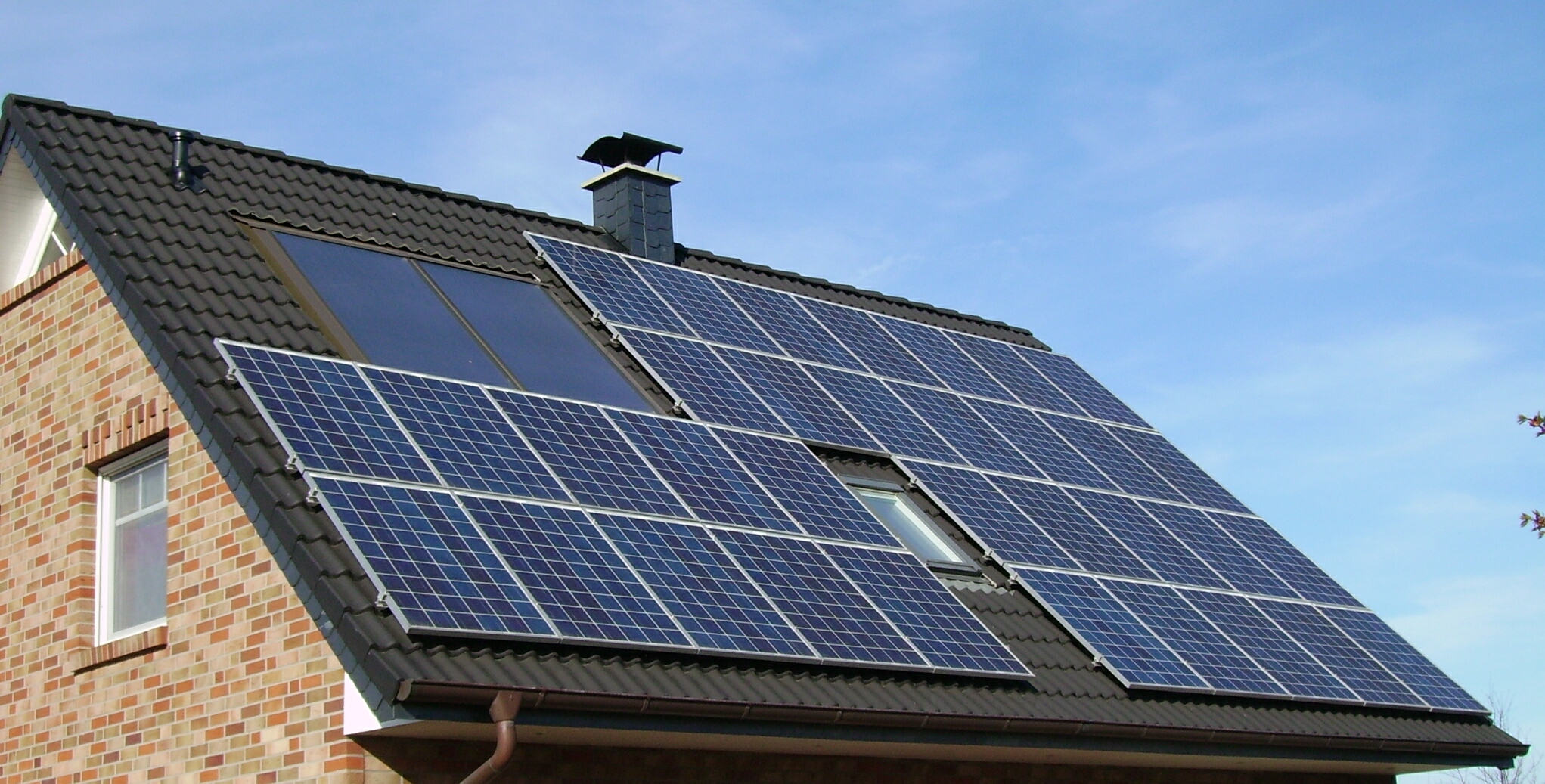
Solar panels on a residential rooftop. Photo: Wikimedia Commons (CC)
Context
Canada receives significant solar irradiance in many regions despite its northern latitude. Ontario, Alberta, and British Columbia have established net metering programs that allow residential owners to offset consumption with grid-exported generation. Provincial incentives and federal programs such as the Canada Greener Homes Grant have historically supported equipment and installation costs, though program availability changes over time.
The Natural Resources Canada PV potential map is a useful starting point for understanding site-specific irradiance before engaging an installer.
Maintenance Overview
A residential PV system requires minimal intervention once installed. Annual tasks typically include visual inspection for damage, checking electrical connections, reviewing inverter performance logs, and cleaning panels in areas with significant particulate accumulation. In snowy climates, accumulated snow slides off most tilted arrays naturally but can temporarily reduce output during heavy events.
Most manufacturers specify panel degradation rates in their product datasheets. Reviewing inverter data against those projections annually helps identify underperforming strings early.
For questions about the content on this site, corrections, or general inquiries, use the form or the contact details below.
The information on this site is for general informational purposes only. Always consult a licensed solar installer before making any system decisions. Data reflects publicly available information and may not account for your specific location or utility rules.